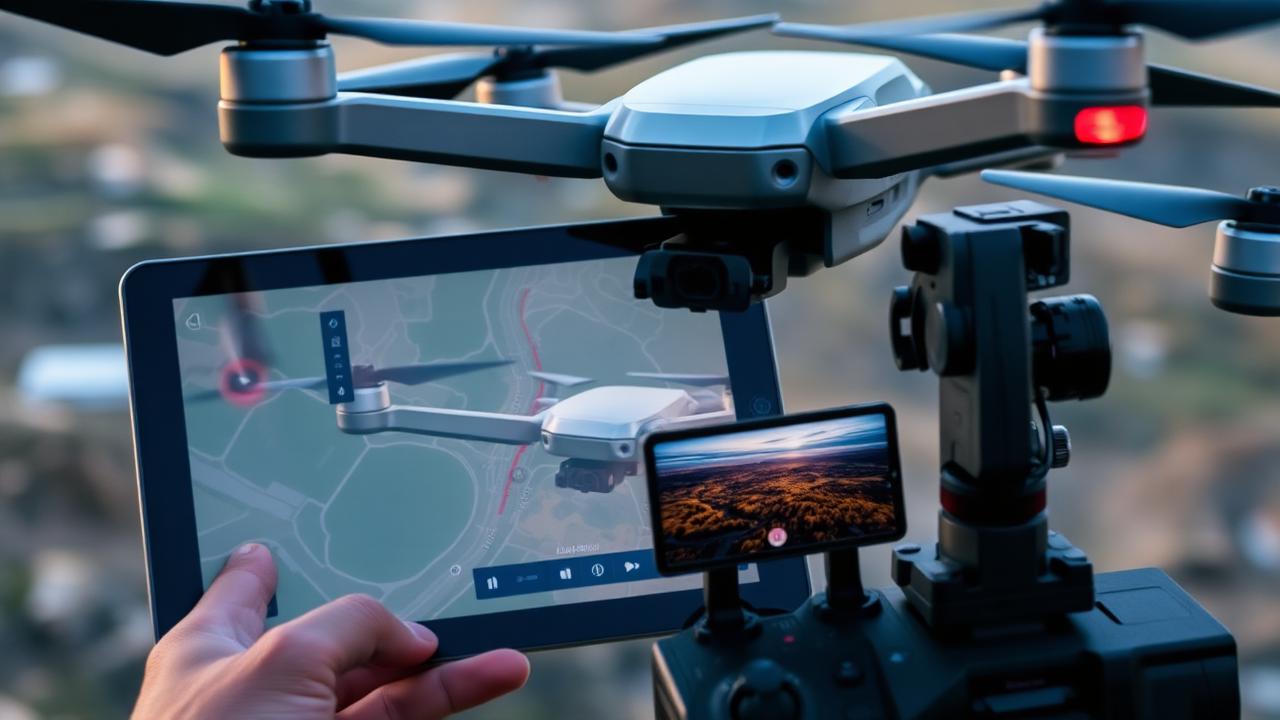
Everything you need to know about incorporating drone footage into your video projects safely and effectively.
Aerial videography has become essential for modern video production. Drones offer unique perspectives that were once impossible or prohibitively expensive, opening creative possibilities for establishing shots, dynamic movement, and breathtaking reveals.
Legal compliance comes first. Register your drone with aviation authorities. Understand airspace restrictions near airports, government buildings, and stadiums. Many locations require permits for commercial drone operation. Respect privacy laws and property rights. Professional drone pilots maintain proper insurance and certifications.
Equipment selection affects capabilities and image quality. Consumer drones like DJI Mini provide portability and ease of use. Professional drones like Inspire offer interchangeable lenses and better image sensors. Consider payload capacity, flight time, and weather resistance for your specific needs.
Flight planning prevents problems and maximizes efficiency. Scout locations in advance, noting obstacles, launch sites, and interesting angles. Check weather forecasts for wind, precipitation, and temperature. Plan flight paths and shot lists before arriving on location. Efficient planning extends battery life and captures necessary footage.
Safety protocols protect people and equipment. Maintain visual line of sight with your drone. Pre-flight inspections check propellers, batteries, and gimbal function. Establish safety zones keeping bystanders clear of flight paths. Always have a backup plan for emergency landings or equipment failure.
Camera settings optimize aerial image quality. Manual exposure prevents flickering as lighting changes during flight. Neutral density filters reduce shutter speed for cinematic motion blur. Shoot in flat picture profiles for maximum post-production flexibility. Frame rates of 24fps provide film-like motion.
Composition techniques adapt for aerial perspectives. Leading lines from roads and rivers guide viewers through frame. Patterns and textures visible only from above create striking abstract compositions. Top-down shots reveal scale and relationships. Low-altitude flights through spaces add dynamism and immersion.
Movement reveals space and creates cinematic moments. Slow, smooth movements feel professional and intentional. Rising reveals build grandeur. Orbiting shots showcase subjects from all angles. Coordinated movement with ground action adds production value and storytelling dimension.
Weather considerations affect both safety and aesthetics. Golden hour lighting creates warm, dramatic aerials. Overcast days provide even, diffused light. Wind affects stability and battery consumption. Rain and extreme temperatures ground flights. Always prioritize safety over getting the shot.
Post-production stabilizes and enhances aerial footage. Software stabilization smooths minor turbulence. Color grading matches aerial shots to ground footage. Speed ramping adds dynamic pacing. Aerial footage integrates seamlessly when matched properly to your overall visual style.